.png)
Hotels Are Becoming Destinations in Their Own Right
A hotel stay is no longer simply about where we sleep, but about the experiences, connections, and memories created along the way

For much of modern hospitality history, hotels served a relatively simple purpose. They were places to stay while exploring a destination, a comfortable base from which travellers ventured outward in search of culture, cuisine, entertainment, and discovery. Increasingly, however, that relationship is being reversed.
Today, many of the world's most compelling hospitality experiences are no longer confined to guestrooms, restaurants, or spa facilities. Instead, hotels are evolving into cultural ecosystems that invite guests to engage with fashion, design, music, wellness, adventure, and local communities in ways that extend far beyond the traditional idea of a stay. The modern luxury traveller is not simply looking for accommodation. They are seeking experiences, access, and a deeper connection to place.
This shift reflects a broader evolution in travel itself. As luxury hospitality becomes increasingly competitive, properties are finding new ways to distinguish themselves, transforming from destinations to visit into destinations within destinations. Across the world, hotels are creating collaborations, programmes, and experiences that blur the boundaries between hospitality, culture, and lifestyle.
In Dubai, One&Only Resorts has embraced this approach through an exclusive partnership with celebrity accessories designer Tyler Ellis. Rather than simply hosting a retail pop-up, One&Only The Palm and One&Only Royal Mirage have become the exclusive home of a limited-edition handbag collection inspired directly by the character of each resort. Ellis, whose handcrafted bags are produced in her atelier outside Florence, translated architectural details, landscapes, and atmosphere into a series of designs available only within the properties themselves. The result transforms shopping into an extension of the resort experience, creating objects that carry a sense of place long after guests return home.

Elsewhere, hotels are becoming cultural venues in their own right. The Peninsula Hong Kong's newly launched Analogue Record Series exemplifies this evolution. Hosted within the Philippe Starck-designed Felix restaurant overlooking Victoria Harbour, the weekly programme brings together respected DJs, vinyl culture, curated playlists, and nostalgia-inspired food and beverage offerings in an environment designed as much for local residents as international guests. Rather than existing solely as a hotel bar, Felix becomes a gathering space where music, design, and hospitality intersect.

This growing emphasis on cultural programming reflects a trend visible across many of the world's leading luxury properties. Travellers increasingly want to engage with destinations through experiences that feel authentic and locally relevant, while hotels benefit from becoming active participants in the cultural life of their cities rather than remaining separate from them.
In Milan, Portrait Milano approaches this idea through design. The property's collaboration with SO–LE STUDIO, founded by Maria Sole Ferragamo, transforms retail into an immersive experience where jewellery, architecture, and environment become part of the same narrative. Guests encounter the collection not through a conventional boutique, but within a living space designed to reflect the forms, movement, and craftsmanship of the pieces themselves. It is an approach that reinforces the hotel's identity as a destination for design and creativity as much as hospitality.

Elsewhere, hotels are using experiences to deepen guests' understanding of place. At Salt of Palmar in Mauritius, guided explorations of Le Morne Brabant invite visitors beyond the resort itself and into one of the island's most historically significant landscapes. Recognised as a UNESCO World Heritage Site, the mountain carries profound cultural importance, and the experience combines physical exploration with storytelling that connects guests to the island's heritage. Here, hospitality becomes a gateway to understanding a destination rather than simply observing it.

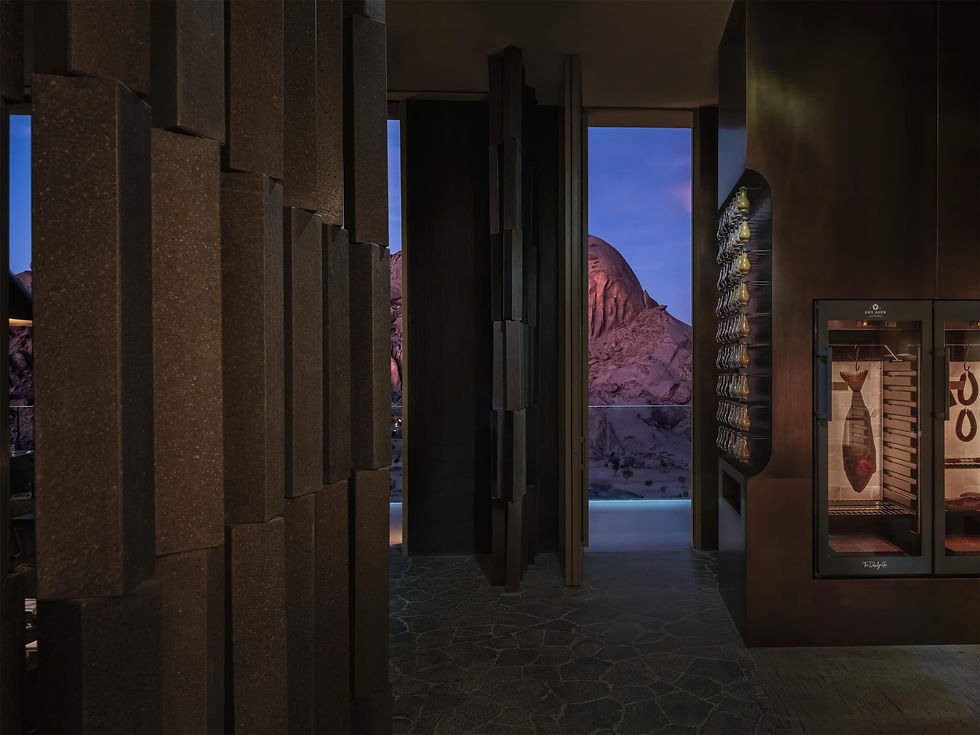
Saudi Arabia's hospitality sector is embracing a similarly expansive vision. Desert Rock Resort, carved into the dramatic landscapes of the Hijaz Mountains, has built its identity around experiences shaped by the environment itself. Adventure activities range from climbing, via ferrata, and ziplining to astronomy-led stargazing sessions exploring the role of the night sky in Arabian navigation and timekeeping. Yet the resort balances adrenaline with introspection through listening rooms, vinyl collections, sound healing, and wellness experiences that encourage guests to slow down and engage with the landscape in different ways. It is a compelling example of how hospitality is increasingly centred on experience rather than accommodation alone.
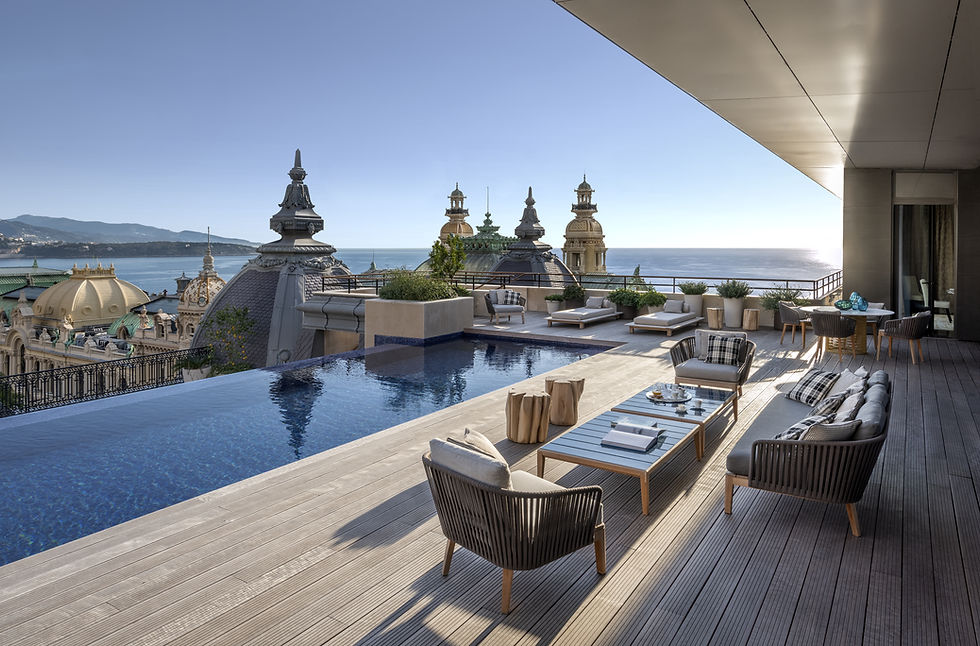
Perhaps nowhere is this evolution more evident than in Monaco. Monte-Carlo Société des Bains de Mer has long operated according to a philosophy that accommodation is merely the beginning of the guest journey. Through its network of legendary properties, restaurants, wellness facilities, cultural venues, and events, the brand functions as an integrated destination where access becomes the defining luxury. A hotel reservation unlocks entry into a wider ecosystem of experiences, from Michelin-starred dining and world-class wellness to the cultural and sporting calendar that has defined Monaco for generations.
Collectively, these examples point towards a significant shift in the future of hospitality. Luxury hotels are no longer competing solely on room design, service standards, or location. Increasingly, they are competing on relevance. The most successful properties are those capable of creating meaningful experiences that foster connection, spark curiosity, and offer something unique to both guests and local communities.
For travellers, this evolution creates richer and more multidimensional journeys. A hotel becomes a gateway to culture, creativity, gastronomy, wellness, adventure, and discovery. For hospitality brands, it represents an opportunity to remain part of a guest's memories long after checkout.
The future of luxury hospitality may still begin with a room key, but increasingly, the most memorable part of the stay lies everywhere beyond the room itself.


Comments